May 2026
2024 Rottensteiner Schiava
Grape
100% Schiava
Region
Alto Adige, Italy
Producer Facts
The Rottensteiner family’s connection to winemaking in Alto Adige goes back roughly 400–500 years, making them one of the oldest wine families in the region.
Their surname literally ties into the local geology:
“Rot” = red
“Stein” = stone
Soil
red porphyry rock
Farming practices
Organic and indigenous yeast.
Wine
The 2024 Schiava opens with a fresh blend of peppery rose and wild strawberries. It is a juicy effort with brisk acidity and citrus-laced red-berry fruits. A gentle chewiness lingers as this finishes with medium length and rosy inner florals plus subtle white pepper hints.
Pairing
The wine’s light body and bright acidity work perfectly with earthy flavors and cured meats without overpowering them.

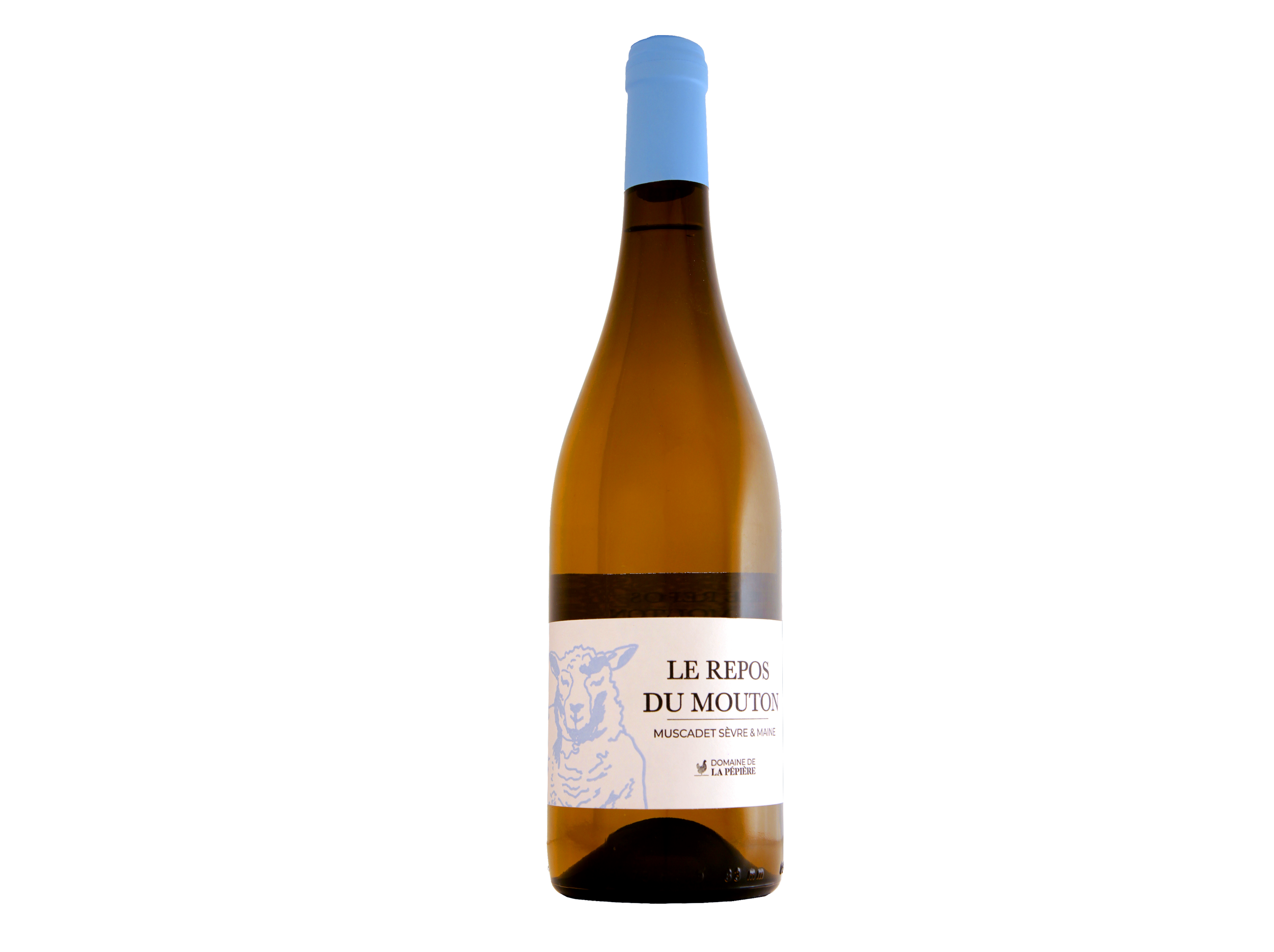
2022 Domaine de la Pépière
Le Repos du Mouton (The Resting Place of Sheep)
Grape
100% Melon de Bourgogne
Region
Loire Valley, France
Producer Facts
They’re considered one of the producers most responsible for the modern quality revival of Muscadet in the Loire.
Soil
Planted on clay-siliceous soils over gneiss bedrock, the vines develop deep roots that contribute to the wine’s mineral character, freshness, and saline edge.
Farming practices
Organic & indigenous yeast
Wine
Bright and refreshing, this wine opens with citrus, green apple, and a light saline edge. Subtle herbal notes and stony minerality add tension and precision. The palate is crisp and lively with high acidity, a lean structure, and a clean, mouthwatering, mineral-driven finish with subtle coastal influence and elegance.
Pairing
Served chilled, this wine reveals mineral and saline notes that pair beautifully from aperitif through the cheese course. It’s an ideal match for fish, poultry, and lightly spicy Asian cuisine.
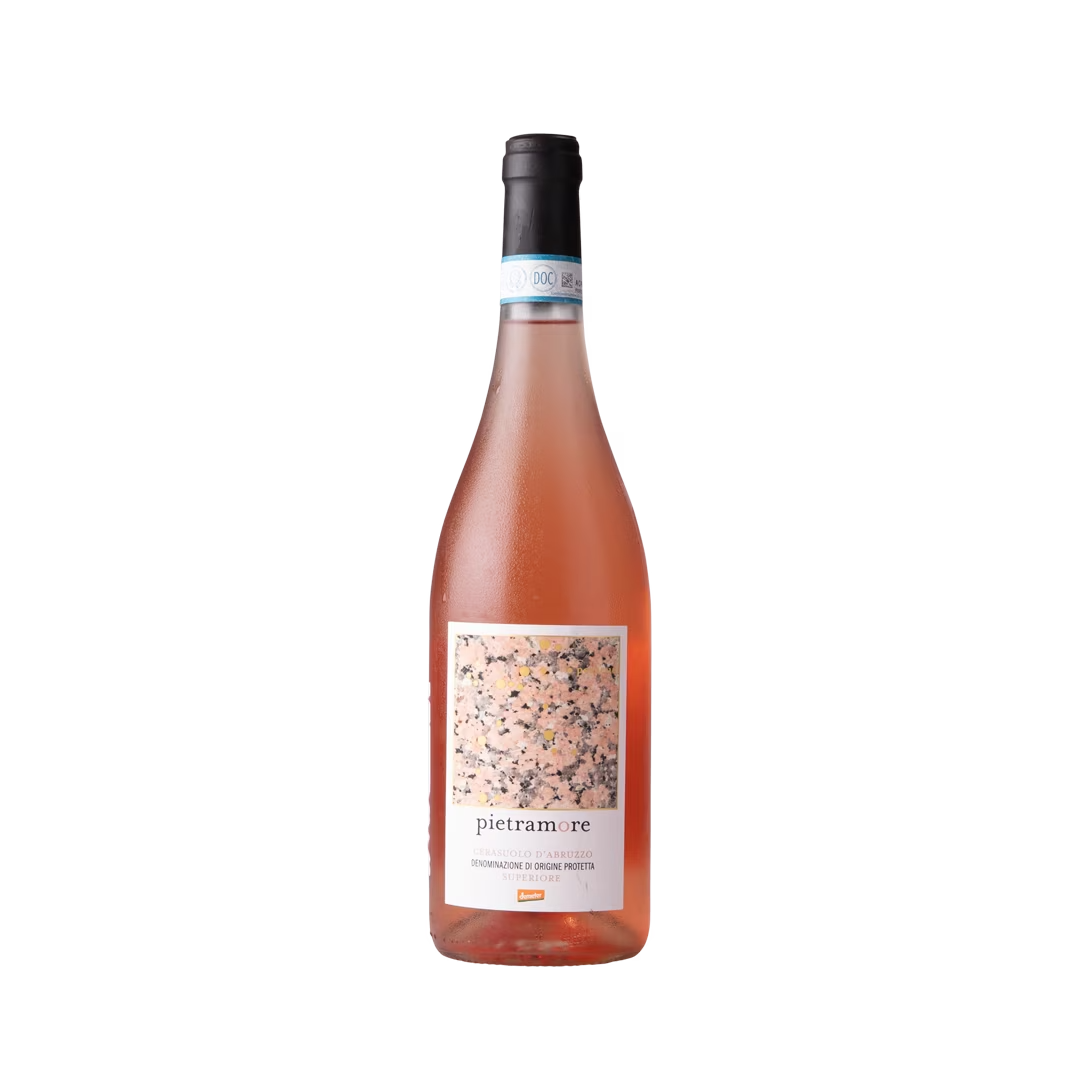
2025 Pietramore Cerasuolo D’Abruzzo (Rosé)
Grape
100% Montepulciano D’ Abruzzo
Region
Abruzzo, Italy
Producer Facts
Despite being relatively close to the Adriatic Sea, the vineyards are heavily influenced by cool mountain air from the Apennines — giving the wines freshness and acidity.
“Pietramore” roughly translates to “stone of love” or “beloved stone,” referencing Abruzzo’s rocky soils.
Cerasuolo d’Abruzzo is often much darker and more structured than Provence rosé because it’s made from Montepulciano, a naturally deeply pigmented grape. The name “Cerasuolo” comes from cerasa — Italian dialect for cherry — referring to the wine’s vivid cherry-red color.
Soil
Clay
Farming practices
Organic
Wine
Brilliant cherry-pink in the glass, the wine opens with aromas of wild strawberry, ripe cherry, blood orange, and rose petal accented by Mediterranean herbs. The palate is fresh yet textured, balancing juicy red fruit with bright acidity and subtle mineral lift. Notes of raspberry, pomegranate, and citrus peel carry through a clean, savory finish with a faint herbal edge.
Pairing
The saignée method (more time on the skins) creates more texture and structure, making them excellent with pizza, grilled meats, and richer foods.